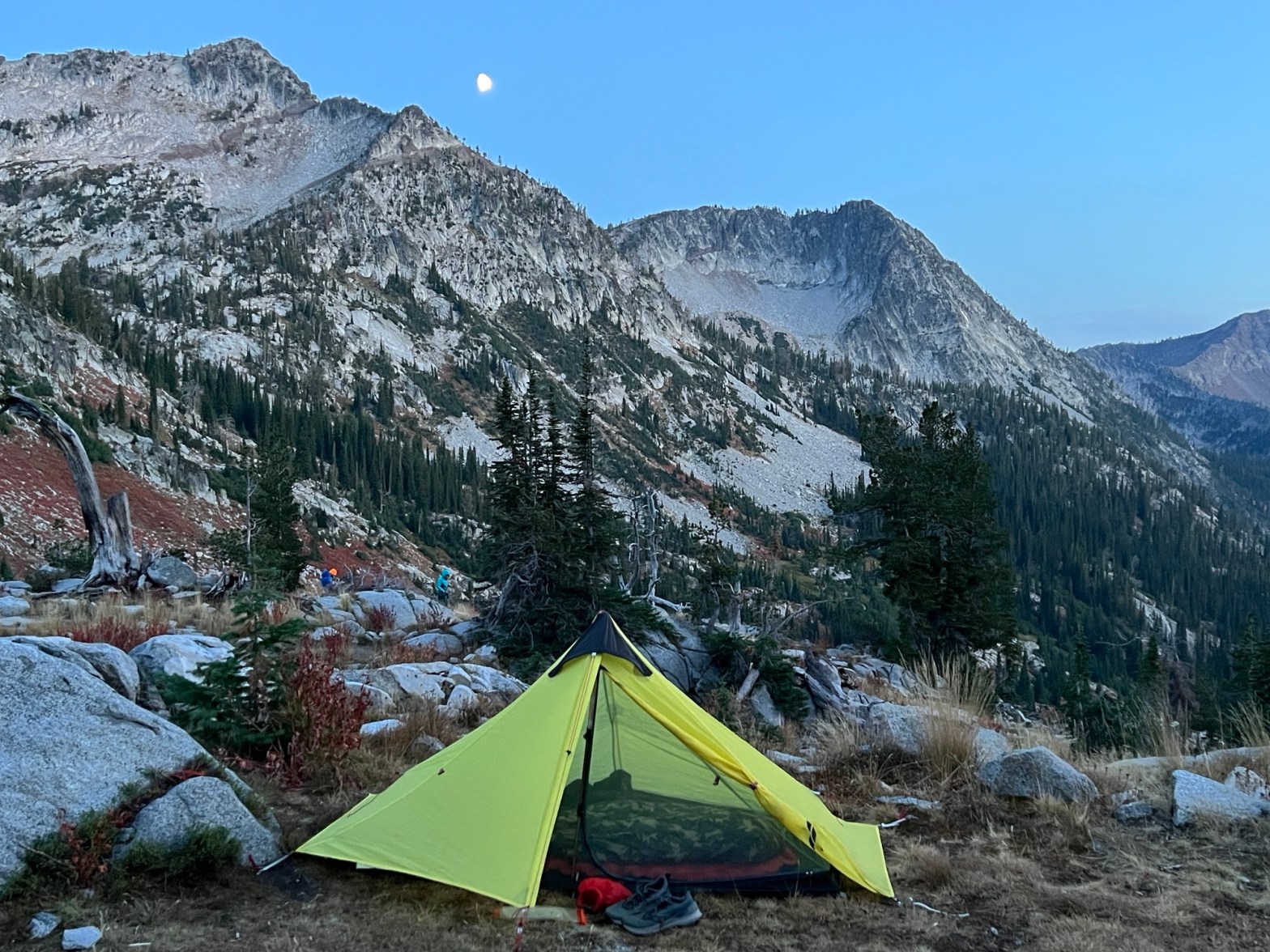
“Share a piece of wild wisdom with someone else.”
This prompt showed up on a 30-day wilderness writing challenge a day after a friend asked me how to plan a backpacking trip. In a nutshell, my advice was to research a lot, make a plan, and then be prepared for that plan to go to hell. Don’t let it bother you–just be prepared to pivot. (Which is a good way to approach life in general, I think.)
But I think that advice bears breaking down further. How do you research a hiking trip? It usually starts with someone mentioning a cool place. I follow a few FB hiking pages, and some hikers who create vlogs on YouTube, and often, they visit some pretty gorgeous locations. Some of them are great about including the details of how they carried out their trip. Kraig Adams is one of my favorites–he creates these mostly silent videos of beautiful hikes all around the world, and then at the end of the video, he walks the viewer through where he flew in, what kind of car he rented to access the trailhead, how many days he hiked and his average daily mileage, etc. His video about hiking the Sawtooth Mountains loop in Idaho inspired me to gather a bunch of my Michigan friends to hike that area. (Unfortunately, wildfires got in the way, but that story will come a little later…)
After choosing a location, I often use the All Trails app for information about the most scenic trails in that area, and to get a sense of what the hiking is like, although sometimes the reviews can be misleading. What’s easy for an ultra-marathon runner or difficult to navigate for a newby might be different for you. I also use the Gaia app to check out the terrain, find trails, and look at road options to get to the trailhead. (The “shortest” route suggested by Apple or Google Maps might take you down some sketchy forest roads, so it’s a good idea to really examine what types of roads are included in the route and see if there is a longer but better maintained route.) If you are planning to be on federal land, often the U.S. Forest Service online pages about that specific area will even state what kind of vehicle you might need to access the trailhead (such as high clearance, AWD or 4WD, or whether a regular sedan is OK.) Getting stuck in the middle of nowhere is no fun, so doing this legwork in advance is important.
It’s also a good idea to do a little weather research. Just because it’s spring in your neck of the woods doesn’t mean it is 200 miles north of you. Seasonal roads may still be snowmobile trails! Local ranger stations, and even local businesses can be a good resource for finding out what conditions on the ground are like.
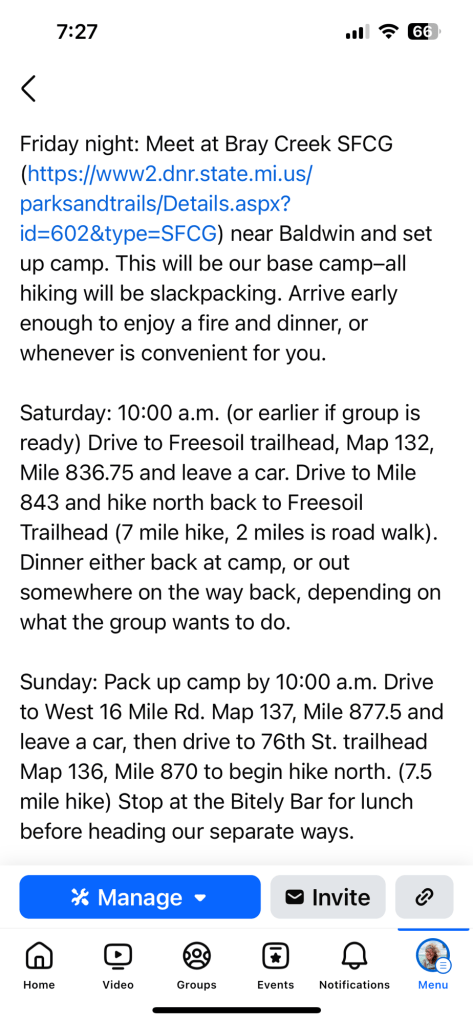
In terms of choosing a route, I usually lay out my plan in a Google doc that I can share with everyone who is going in advance. I try to lay out specific directions to the trailhead, a detailed daily itinerary including mileage and geographic landmarks, so that I’m not the only one who knows the plan. I also try to identify some bail out points or alternate routes, in case we discover the trail is a lot harder than anticipated, or something else impacts our trip. Once the trip is underway, having an informal team meeting each night to discuss the following day’s plan helps keep everyone informed and gives them a say in what’s best for the group. Sometimes, those meetings need to be held an hour into the hike. I recall a trip at Superior Provincial Park where our group leader, Brady, noted that it had taken us almost an hour to go a mile on a rain-slick, muddy and rocky trail, and suggested that we abandon our plan to do a multi-day, point to point backpacking trip along the Lake Superior Shore and pivot to a day-hiking trip, driving to several different trailheads, hiking in a mile or two, setting up camp and exploring without full backpacks in order to enjoy our trip more. He was prepared with an excellent “Plan B” for our group, and it made what might have been a sufferfest into a great experience. Being prepared both logistically and emotionally to pivot from your original plan is important.
People also tend to worry about safety. This is a good thing. Make a list of what you’re worried about, and address each item with a strategy. Worried about getting lost? Practice using a navigation app like Gaia in your local park or neighborhood. Print out a map to bring with you and look at it often (ie before you start wondering if you’re lost). Worried about bears? Practice hanging a bear bag–it’s trickier to find a suitable tree and get that string over a branch than you might think. Worried about nefarious humans? Carry pepper spray. Worried about getting injured and dying alone? Get a satellite communicator like the Garmin InReach Mini. Bad weather? Carry a lightweight tarp for extra shelter, and a lightweight rain coat. In the Ultralight community, they say, “Don’t Pack Your Fears” and that is good advice up to a point. However, it’s also good to be prepared for problems that might arise. Finding the balance you’re comfortable with is up to you. And some simple safety guidelines, like leaving instructions with a loved one about where you’re going, when you’re expected back, and what to do if you don’t arrive back on time, take up zero space in your pack.
Deciding whether to go alone, or finding a group of people to backpacking with is also a big decision. Especially when you’re new, going in a group offers many benefits, especially if you’re hiking with more experienced outdoors people. Conversely, going alone provides solitude and a sense of accomplishment, which is a lovely thing, so I would never advise not to go alone–just be smart about it. Don’t choose an epic adventure as your first solo trip–choose something simple where you can bail out without too much trouble if necessary. If you plan to go with a group, meet with those people in advance for a day hike and be sure the vibe is good. The internet is a great place to find hiking buddies, but proceed the same way you might with online dating–use a bit of caution.
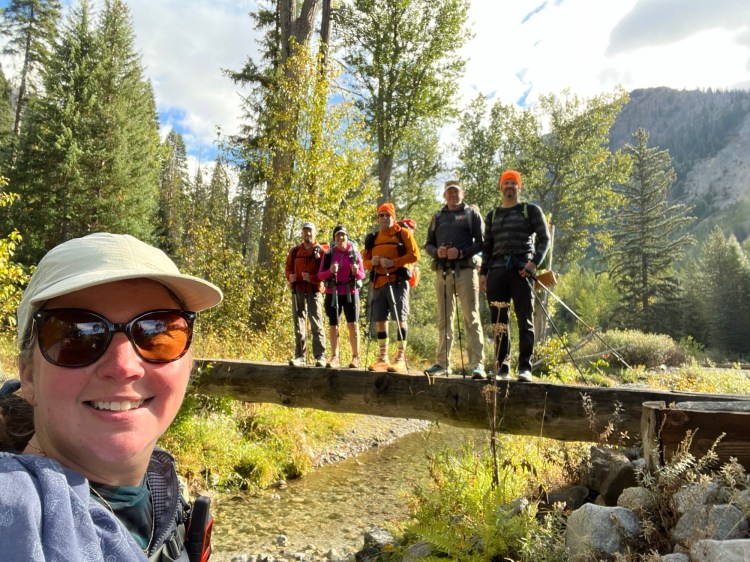
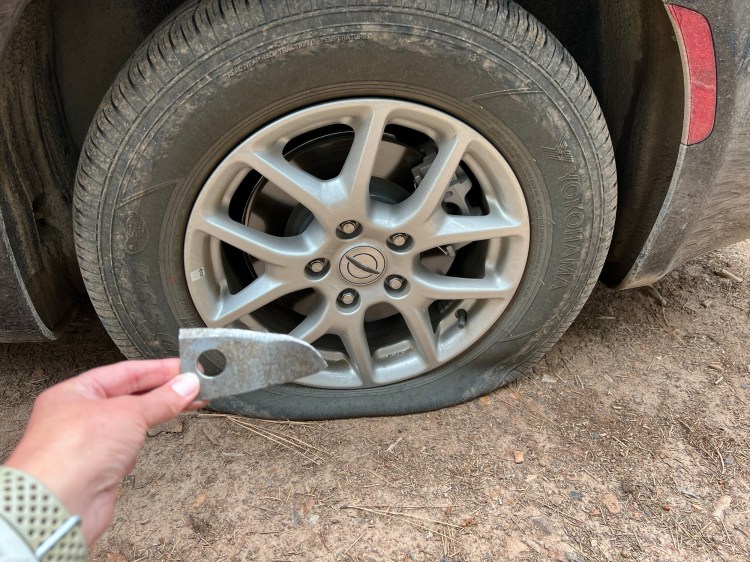
That Idaho trip I mentioned was a good example of many of these principles. Because it was a more involved trip, every person I invited was someone I had backpacked with a few times before. Because of the wildfires, we had engaged in some online discussion of different options, and arrived at the airport with maps, and finally decided on a plan took us to nearby Oregon, and we adjusted plans as we went along. Fate threw us a curveball by putting a piece of metal in the road that punctured our tire on our way out from the trailhead at the end of our trip, and even though our rental had no spare tire, we managed to persevere.
I believe that in order to enjoy the outdoors, you have to expect that some things are going to present a challenge, and you’re going to have to figure it out. That’s part of the fun.
 Exploring Michigan and other cool places